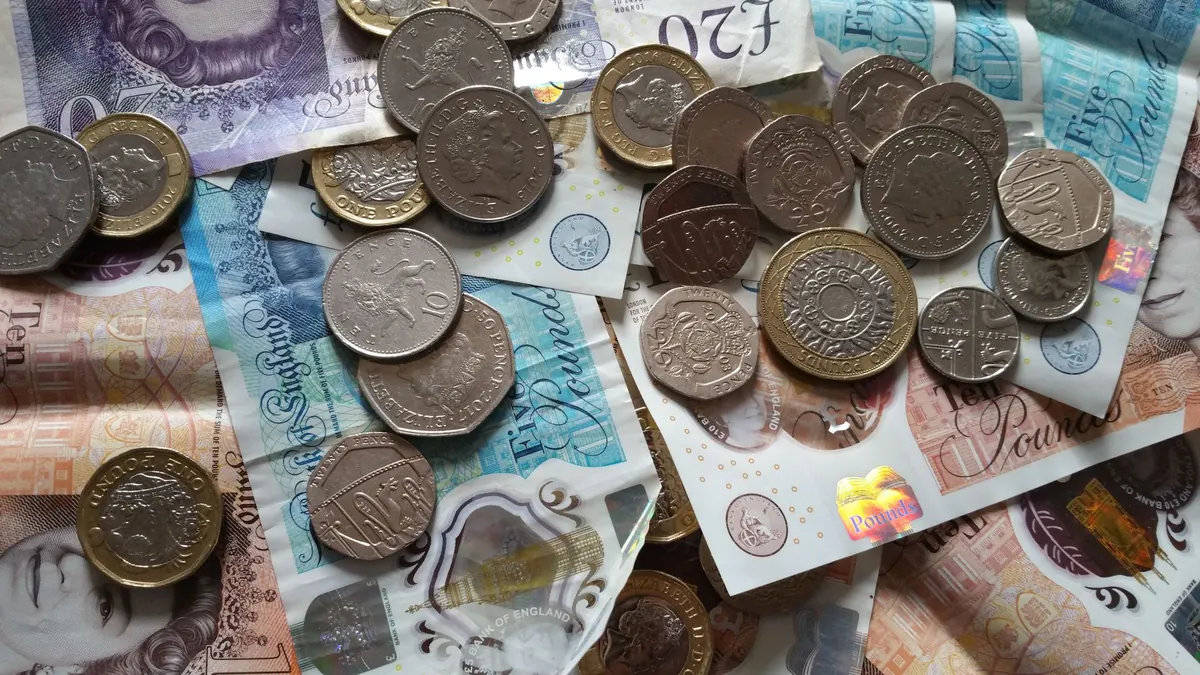
Quantitative easing appears in every interest rate story and explains almost nothing to the person reading it. That is a shame, because the Bank of England's decisions about buying and selling government bonds feed directly into what you pay for a mortgage, what you earn on cash, and whether your pension scheme is in surplus or deficit. Here is how it works, without the jargon.
Quantitative easing is a central bank creating new electronic money and using it to buy financial assets. In the UK those assets are overwhelmingly gilts — UK government bonds — plus a smaller amount of corporate bonds bought during the financial crisis and the pandemic. The sellers are banks, insurers and pension funds, not the government itself.
The Bank of England launched its buying programme in 2009, when Bank Rate was already near zero and could not be cut much further. If you cannot lower short-term rates, the thinking went, you can still push down longer-term ones by buying the bonds that set them. Because bond prices and bond yields move in opposite directions, heavy buying raises the price of gilts and lowers the yield on them. Gilt yields are the benchmark for almost every other interest rate in the economy — mortgages, corporate loans, annuity pricing — so pulling them down drags down the cost of borrowing for banks, companies and, eventually, households.
Two technical points are worth holding on to, because they clear up most of the confusion. First, no physical notes are printed. The money is created as electronic reserves held by commercial banks at the Bank of England, and it stays inside the financial system rather than landing in your current account. Second, the purchases are made through a subsidiary called the Asset Purchase Facility, which is indemnified by the Treasury. That matters enormously: it means the profits from QE flowed to the taxpayer while gilt prices were rising, and the losses have been transferred to the taxpayer now that prices have fallen.
The programme arrived in waves rather than all at once. It began in March 2009 with £75bn, was expanded repeatedly through the financial crisis, restarted in August 2016 after the EU referendum vote, and then ballooned in 2020 when the pandemic hit and Bank Rate was cut to 0.1%. At its peak the Bank held roughly £895bn of assets, around £875bn of which were gilts.
There are two main channels through which QE is supposed to work, and understanding them explains why it reaches savers and borrowers at all.
QE does not hand money to households. It changes the price of nearly every asset in the economy and lets the consequences ripple outward — which is exactly why it is so powerful, and so awkward to unwind.
For anyone holding cash, the QE years were punishing. With Bank Rate stuck near zero and gilt yields suppressed, banks had no reason to compete for deposits. Easy-access accounts paid as little as 0.1% to 0.2%, and a saver with £20,000 was earning perhaps £40 a year before tax — a real-terms loss once inflation was counted. Premium Bond prizes and NS&I rates were cut for the same reason.
Annuity rates suffered too. Annuity pricing is driven by gilt yields, so a 65-year-old with a £100,000 pension pot in 2021 might have been offered an income of just under £5,000 a year for life. By 2023, after yields recovered, the same pot could buy comfortably over £7,000. Nothing about the saver had changed; only the bond market had.
There was a silver lining, and it was a large one for people already invested. Falling yields mean rising bond prices, so existing gilt and corporate bond holdings gained value. Final salary pension schemes, which hold vast quantities of gilts, saw their funding positions improve sharply, and transfer values hit record levels. If you owned the assets, QE flattered you. If you were trying to buy them with cash, it worked against you.
Mortgage pricing does not follow Bank Rate directly. Lenders fund fixed-rate loans through swap markets and by issuing bonds, and those rates track gilt yields. So when QE pushed yields to historic lows, fixed mortgage rates followed them down to levels nobody had seen before — some five-year fixes were available below 1.5% in 2021.
The arithmetic is stark. Take a £250,000 repayment mortgage over 25 years:
That is about £475 a month, or £5,700 a year, and more than £140,000 across the life of the loan — all from a shift in the bond market that most borrowers never noticed happening. The same mechanics reached businesses through cheaper corporate bond issuance and lower bank funding costs.
QE is not permanent. Since early 2022 the Bank has stopped reinvesting the proceeds of maturing gilts, and from late 2022 it began actively selling bonds back into the market. Each year the Monetary Policy Committee sets a target for how much the stock should shrink — in recent years somewhere between £70bn and £100bn annually — and the balance sheet has been falling steadily from its £895bn peak.
This reverse process, known as quantitative tightening, works in the opposite direction. It releases gilts back into private hands, pushes yields up, and tightens financial conditions without any change in Bank Rate. It also costs the taxpayer money, because the Treasury indemnity means the gap between the interest paid on reserves and the interest earned on gilts lands on the public finances. Meanwhile, the gilt market has grown more sensitive: the 2022 LDI crisis showed how quickly pension fund selling can destabilise prices when the central bank is no longer the buyer of last resort.
Supporters argue QE helped prevent a deflationary slump after 2009, kept unemployment lower than it would otherwise have been and gave the economy a cushion during the pandemic shock. Critics make three charges. It inflated house prices and share prices, widening the wealth gap between asset owners and everyone else. It allowed governments to borrow at artificially cheap rates for years, blurring the line between monetary and fiscal policy. And when inflation surged in 2021 and 2022, the huge stock of money created earlier was blamed, at least in part, for making the problem worse.
You do not need to follow every speech, but a handful of signals genuinely matter for household finances:
The practical lesson is simple. When QE is running, cheap fixed rates are a gift that will not last, and cash pays nothing. When tightening is running, the reverse applies: savers finally get a real return and borrowers should think hard about fixing before the window closes. Either way, the decisions made in the gilt market reach your bank statement sooner than most people expect.
Photo: fcalard / Pixabay